
 WARNING: Cancer and Reproductive Harm - www.P65Warnings.ca.gov
Good Maintenance Practices:
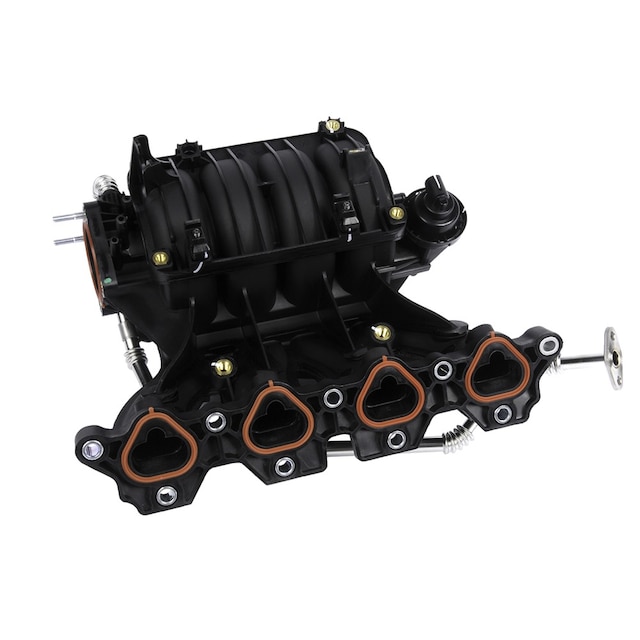
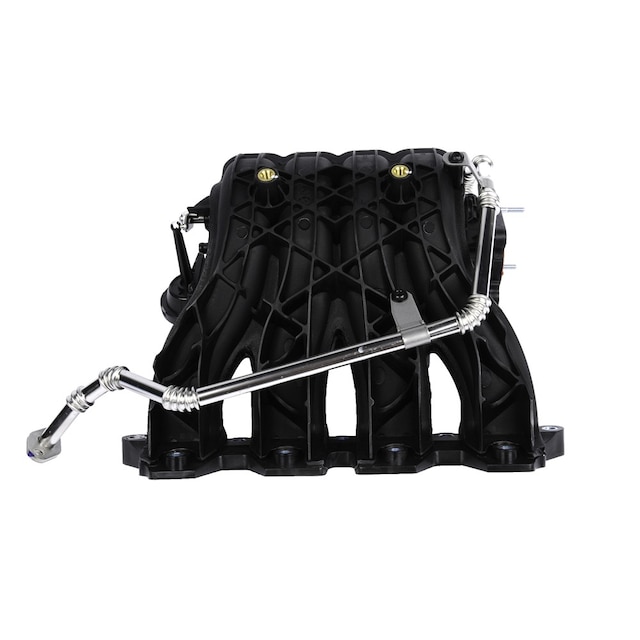
- Before purchasing and installing an engine intake manifold, make sure it is the correct size and fit for your vehicle.
- Keep the air duct assembly clean and properly sealed and the engine air filter clean or changed at every oil change, or more frequently if the vehicle is operated in dusty environments.
- Tighten the intake bolts to the proper manufacturer's specifications, and do not overtighten.
- Refer to the engine service manual for proper torque specifications.
- Clean the engine's exterior as needed - buildup of oil and dirt can cause the engine to run hot or hide leaks.
- Have your vehicle inspected as soon as possible if the 'Service Engine Soon' light illuminates.
- Have your vehicle inspected immediately if the 'Service Engine Soon' light flashes rapidly, as this could indicate an engine misfire condition which may damage your engine and/or engine emission components.
- Do not run an overheated engine, or damage to components or gaskets could occur.
- Regularly inspect engine intake manifolds for signs of damage or wear, and replace them if signs of damage are found.
Signs of wear for engine intake manifolds include but are not limited to:
- Oil or coolant leaking at the top of the engine
- Poor engine performance
- Hissing or whistling sound at the intake manifold
- Reduced engine power
- Unusual odors while the engine is operating
- Visible vapor from the engine compartment
- Fluid level loss or coolant mixing with engine oil