 WARNING: Cancer and Reproductive Harm - www.P65Warnings.ca.gov
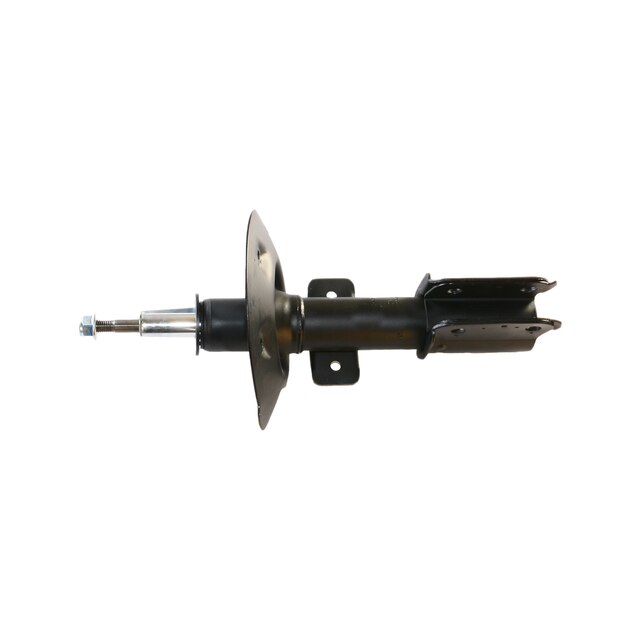
Before purchasing and installing a premium gas charged strut, make sure it is the correct fit for your vehicle.
- Leaking oil or wetness along the body of the shock or strut
- Severely dented reservoir tube, bent or scratched piston rod
- Broken, damaged, or missing mounting hardware
- Cupped tire wear
- Damaged strut body springs, seats, and bushings
- Defective strut bearing or missing plate
- Broken mounts, worn or missing bushings
- Brakes
- Tie rods
- Ball joints
- Tires
Uneven patches of wear on the edges of your tire can be a sign of weak ride control (shocks or struts). This wear, called cupping, appears as scalloped dips around the surface of the tread. Other signs it could be time to replace your shocks or struts include:
- There is directional and steering wheel position instability
- Your brakes pull
- You notice worn or loose suspension or steering components
- There is excessive nosedive while braking
- Your vehicle has 'acceleration squat'
- Your vehicle does not return to a neutral position
- Your steering pulls
- There is a strut mount or bearing noise
- Your ride is harsh, bumpy or shaky
- Your vehicle veers inside winds
- Your vehicle bounces excessively
- Your vehicle leans or sways while turning
- Your vehicle bounces excessively after hitting a bump
- Your vehicle bottoms out
- If your vehicle's height seems lower than normal when measured
- If you notice fluid leakage from your vehicle's shocks or struts
- If your vehicle's shocks or struts have dented or heavily scratched housings or mounts