


 WARNING: Cancer and Reproductive Harm - www.P65Warnings.ca.gov
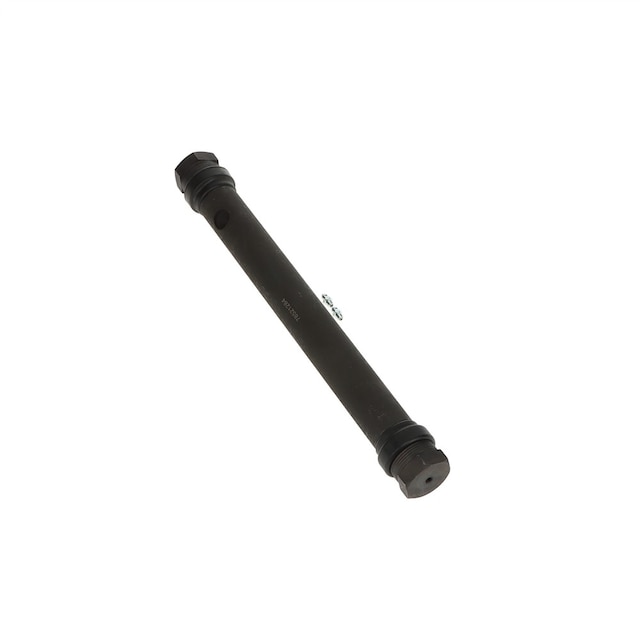
Before purchasing and installing a suspension control arm shaft kit, make sure it is the correct fit for your vehicle.
- Inspect or have your control arms inspected for signs of wear. Exposure to harsh driving conditions like potholes or bumpy road surfaces places stress on your vehicle's control arms.
- Inspect your control arms regularly, following exposure to events that may harm the component, or when you experience signs of control arm wear.
- Avoid replacing your vehicle's control arm without also replacing your control arm bushing. Replacing your vehicle's control arm or control arm bushing instead of replacing the entire control arm assembly often results in additional labor, cost, and trouble, so replacing the assembly is often the recommended approach.
- Installing a new control arm can interfere with the alignment of your vehicle. Perform a full four-wheel vehicle alignment after any control arm replacement.
- Regularly inspect suspension control arm shaft kit for signs of damage or wear and replace them if signs of damage are found.
Signs of wear for suspension control arm shaft kits include but are not limited to:
- Unexpected noises: popping or creaking noises in the suspension system, or a clunking noise when driving over a bump or pothole may signal the need to replace your vehicle's control arm
- Difficulty steering: extra play in the steering system, or wobbling in the steering wheel when driving at higher speeds may signal control arm problems
- Vehicle wandering: if your vehicle pulls to one side while driving, it may indicate the need to replace your control arm
- Abnormal tire wear: uneven tire wear may be a sign of control arm wear
- Alignment issues: an inability to set the proper alignment for your vehicle may indicate control arm wear